







Search Results for: rapid circling

Complete Brewing Parameters Analysis of Ice Dosage for Iced Pour-Over Coffee and the Japanese Rapid Cooling Method
When making iced pour-over coffee, the choice and amount of ice are often the questions enthusiasts ask about most. The core role ice plays in iced pour-over is rapid cooling, not aroma preservation or insulation. Because melted ice dilutes the coffee's strength, its density and quantity directly determine the finished cup's taste and drinking experience. This article will go through the considerations for choosing ice, recommended amounts, and the complete process and specific parameters of Japanese-style rapid-chill iced pour-over, one by one. The article also uses Front Street Coffee's Geisha Village Estate Red Label Geisha as an example to share a practical approach combining high-concentration extraction with a precise ice ratio, helping you brew a cup of refreshing, full-bodied, flavor-forward iced pour-over coffee at home. [more…]

The Colombian Sidra Favored by WBC Champions: Variety Origins, Genetic Lineage, and Flavor & Brewing Analysis
In the past two years, a coffee variety called "Sidra" has rapidly risen to fame in the specialty coffee circle. Two WBC champions each won with Sidra lots from Colombia's Palma y El Tucán estate and Finca El Diviso, propelling this experimental variety—once relegated to the fields—onto the world stage. In Spanish, Sidra means apple juice or cider. It is generally considered a hybrid descendant of Typica and Red Bourbon, but WCR genetic identification shows it is closer to Ethiopian landraces, and its origins remain unclear to this day. In this article, Front Street Coffee will sort through Sidra's origin story, genetic research, plant characteristics, and flavor performance, and share a cupping experience and pour-over recommendations for Finca El Diviso's anaerobic natural Sidra, giving you a comprehensive understanding of this champion variety that combines floral aromatics with high-sweetness fruit notes. [more…]
Complete Iced Pour-Over Coffee Guide: Using Golden Mandheling as an Example to Analyze the Extraction Points for Sweet Aftertaste and Lingering Finish
On a scorching hot afternoon, a glass of iced pour-over is undoubtedly a refreshing pick-me-up. But when iced brewing is done with dark-roasted beans, the rapid cooling and excessive dilution often make it bitter and watery. This article takes Front Street PWN Golden Mandheling, the darkest roast, as an example to break down how to avoid smoky, burnt, and astringent flavors through low water temperature, a slow-flow filter, coarse grinding, and staged pouring, extracting the sweet aromas of chocolate, maple syrup, and nuts, and ultimately achieving an iced coffee that is creamy and smooth with a caramel and cedar finish. From bean selection and parameters to the five-pour rhythm and the 1:10:5 coffee-to-water-to-ice ratio, the steps are complete and suitable for recreating at home. [more…]
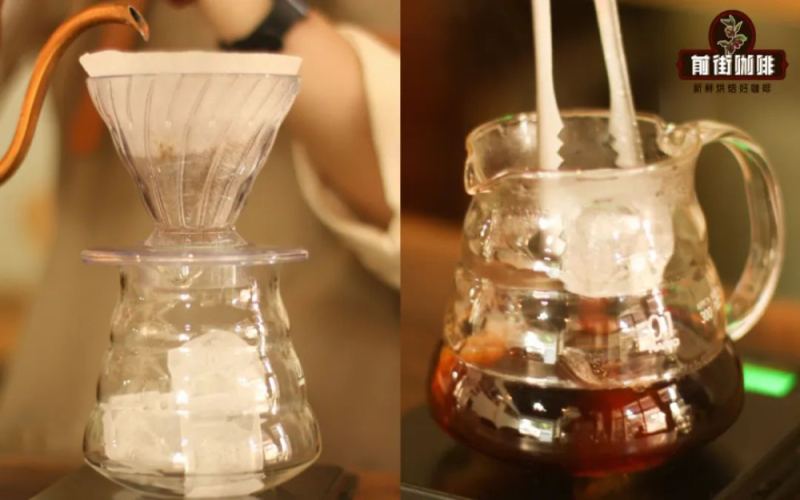
Comparing Ice Timing for Iced Pour-Over Coffee: Ice First or Ice Last? A Detailed Guide to the Differences and Experiment Conclusions
Should you add ice first or ice last when making iced pour-over coffee? This question may seem like a mere difference in procedure, but behind it may lie the preservation and release of coffee flavors. Front Street Coffee once mentioned the Paragon ice ball in an article; its principle is to lock in volatile aromas by rapidly cooling the coffee liquid, allowing the drinker to experience a richer coffee flavor. Inspired by this, we restarted the experiment, using the same Colombian Frontera Estate washed Geisha, to compare the differences between adding ice first and adding ice last in iced pour-over coffee in terms of operation, temperature, aroma, and taste. The experiment strictly controlled the ratios of coffee grounds, water, and ice, and corrected for differences in tasting time. What was the final result? Is there really an obvious difference between the two? This article will reveal the answer for you. [more…]

The Complete Guide to Steaming Latte Milk Froth: From Protein Structure to Pouring Technique, Preventing Froth Collapse
Freshly steamed milk foam is dense and glossy, and the latte art takes shape smoothly, but in the blink of an eye, sunken "craters" appear on the surface, and the pattern blurs and distorts along with them. This rapid collapse of milk foam troubles many latte enthusiasts. To solve this problem, it is necessary to start with the principles of foaming and foam stabilization by milk proteins, then troubleshoot the details in the steaming process one by one, such as temperature, steam moisture content, and the force of tapping the pitcher, while also paying attention to the crema condition of the espresso and the pouring technique. This article systematically sorts out the various causes of milk foam dissipating and provides actionable improvement suggestions to help you make fine, delicate milk foam that lasts. [more…]

Can the Paragon Gold Ball really lock in aroma in pour-over coffee? A hands-on comparison and breakdown of the principle
In the world of specialty coffee, flavor expression has always been the shared pursuit of enthusiasts and professionals alike. Beyond selecting quality beans, all kinds of extraction aids keep emerging, among which the Paragon golden ball created by world champion Sasa Sestic stands out. It claims that by rapidly cooling the coffee liquid, it can retain 40% more aroma. Is this a marketing gimmick or does it actually work? Front Street Coffee will walk you through how the Paragon works and, through actual brewing comparisons, verify the real impact of this little golden ball on coffee flavor. If you have ever wondered about the connection between aroma and flavor, or hesitated over whether it is worth buying, the experiments and analysis in this article may give you an answer. [more…]

Within half a month, 14 subsidiaries were established, as Lu Zhengyao leads Cotti Coffee's rapid expansion to rival Luckin.
In just half a month, Cotti Coffee established 13 new branches in 9 major cities nationwide, demonstrating the rapid momentum of Lu Zhengyao's team returning to the coffee industry. Starting with its first store in Fuzhou, the brand has made a high-profile sponsorship of the Argentine national football team and set a goal of 10,000 stores in three years. Currently, the mini-program has launched nearly 60 products, covering coffee, tea drinks, cold brew, and other categories, including some of Luckin's hit items. The store model is divided into standard stores and mini stores, with the former accommodating dining and bar scenarios. However, the all-day multi-functional service has not yet been fully implemented, and food and alcohol are still not available. Whether Cotti can use Luckin's "magic" to defeat Luckin is worth continuous attention. [more…]

A Complete Guide to Making Iced Pour-Over Coffee: Ratios, Parameters, and Brewing Steps for Rapid-Chill Extraction
Iced pour-over coffee is not simply pouring hot coffee over ice cubes, but a brewing method known as "flash-chilled pour-over"—using ice to rapidly cool the hot coffee liquid in a short time. However, if you directly use the parameters of a regular hot pour-over, the final product often becomes weak and tasteless. To solve this problem, you need to adjust three core parameters: coffee-to-water ratio, grind size, and water temperature. Front Street has summarized a practical formula: coffee grounds (fine grind) + 10 times hot water + 5 times ice. This article will break down the adjustment logic of iced pour-over in detail, offer suggestions on choosing a dripper and coffee beans, and use an Ethiopian natural bean as an example to provide complete brewing parameters and staged pouring steps. [more…]
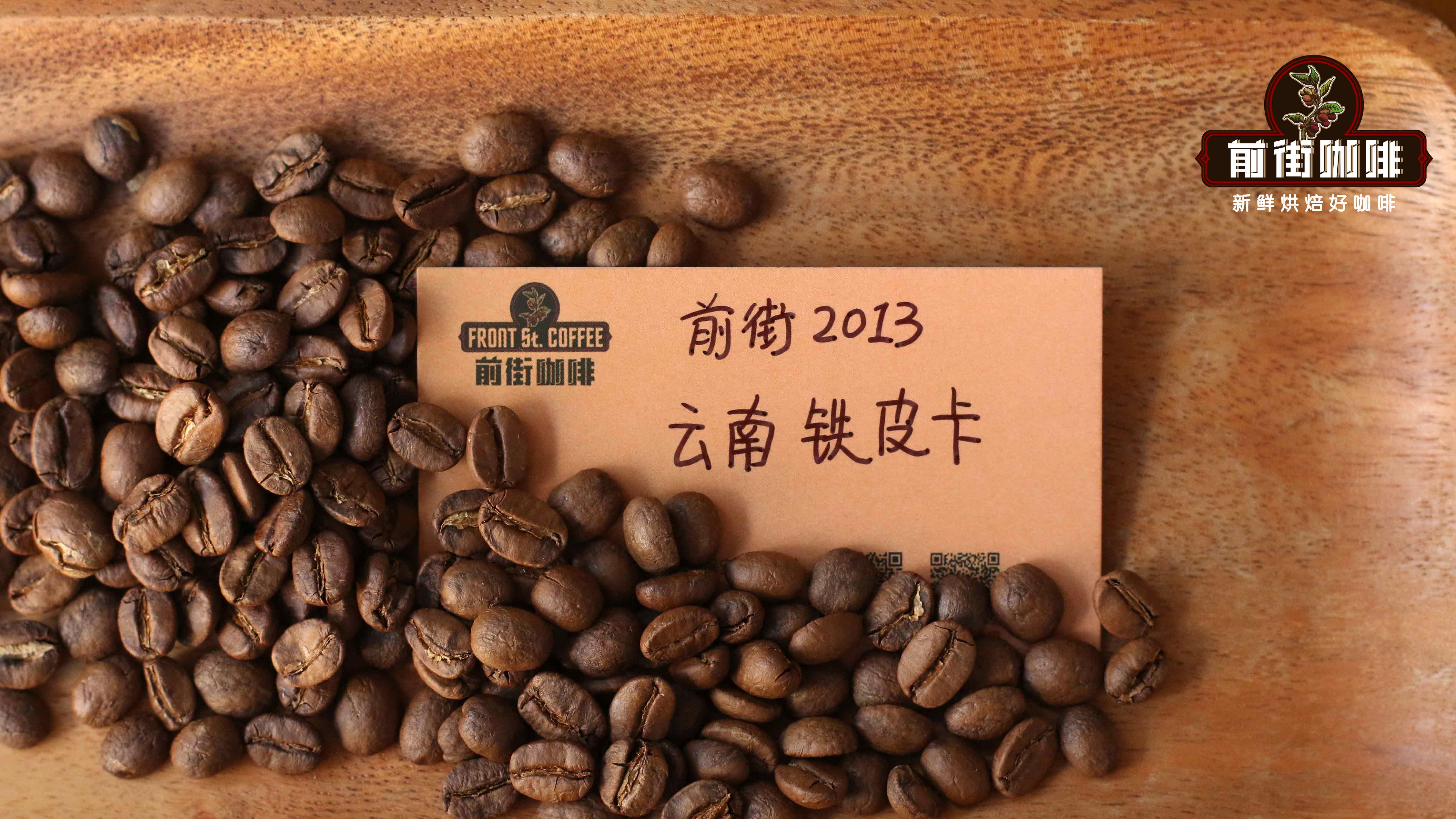
Yunnan Small-Bean Coffee: From Regional Rise to Front Street Specialty Bean Brewing Guide
Yunnan small-bean coffee has frequently appeared in international competitions in recent years, and its flavor evaluations have also performed impressively. China's coffee industry is rapidly growing with the help of Yunnan. This article starts with the definition of varieties, sorts out the geographical advantages and historical context of Yunnan's main growing regions, reviews Nestlé's past introduction of Catimor, and focuses on Front Street Coffee's experiment of growing Typica and Bourbon in Lincang, as well as the flavor differences among three Yunnan beans currently on sale. Finally, it includes Front Street's recommended brewing approach and specific parameters to help enthusiasts present Yunnan coffee's nutty, caramel, and plum notes in a more balanced way. [more…]

From Water Flow to Flavor: The Practical Impact of Different Pouring Strategies on Coffee Extraction Results
The pouring technique is an extremely critical variable in pour-over coffee extraction. The size of the water stream, the speed of the circular motion, and the rhythm of pouring all directly affect the release efficiency of soluble substances, thereby changing the final flavor direction. This article starts with several typical pouring styles—high-flow fast circling, low-flow steady pouring, and common mistakes in staged remediation—and analyzes the actual effects they bring during extraction. At the same time, specific operational suggestions are given for different roast levels: how medium-light roasts can highlight floral and fruity acidity through staged large-circle pouring, and how medium-dark roasts can use a coin-sized thin stream in circular motion to strengthen the nutty and chocolatey base notes. Through these analyses, the hope is to help enthusiasts control flavor expression more precisely in daily brewing. [more…]

The Flavor Window of Hand-Ground Coffee: The Rhythm from Degassing Rest to Opening and Sealing
Freshly roasted coffee beans trap a large amount of carbon dioxide inside. When these gases are released rapidly upon grinding and contact with hot water, they form violently expanding bubbles. If you grind and brew immediately after roasting, the intense degassing process will prevent hot water from fully contacting the coffee grounds, preventing flavor molecules from dissolving smoothly. The princi [more…]

AeroPress Inverted Brewing Guide: How to Make a Full-Bodied Cup of Coffee with AeroPress
The AeroPress is famously known in coffee circles as the "all-purpose" brewing device, with a flexible and varied operation and almost no rigid rules to follow. It combines three principles: French press immersion, pour-over paper filtration, and espresso-style pressure extraction. It can produce both a rich, full-bodied taste and a clean, refreshing flavor profile. This article uses inverted pressure extraction as an example to break down the AeroPress operation steps and parameter settings in detail, and shares the Huila bean brewing recipe recommended by Front Street Coffee, helping beginners get started quickly and consistently produce a delicious cup of coffee full of nutty aroma and rich body. [more…]
Want Want Doubles Down on the Ready-to-Drink Coffee Track: Bond Launches New 3.5 Yuan Bottled Product—Can a Low-Price Strategy Break Through?
Want Want Group has made another move in the coffee sector, with its Bond brand launching bottled ready-to-drink coffee priced at just 3.5 yuan. From being the first to enter the ready-to-drink coffee market in 1998 to now attracting consumers with a low-price strategy, Want Want has continued to deepen its presence in the coffee arena. Against the backdrop of rapid post-pandemic growth in the coffee market and an endless stream of local brands, Bond Coffee is trying to carve out a place in the fiercely competitive market through strategies such as health-oriented positioning, convenience, and esports marketing. Front Street Coffee will also continue to follow these developments and bring coffee lovers more industry observations. [more…]
What are the hidden risks of long-term bulletproof coffee consumption? Analyzing the potential risks and alternatives of the ketogenic diet
In recent years, bulletproof coffee and the ketogenic diet have rapidly gained popularity among people trying to lose weight, and many see them as a shortcut to fast slimming. However, a middle-aged couple who lost weight successfully through this approach within half a year were subsequently hospitalized one after another after suffering strokes, triggering concern in the medical community about this kind of dietary pattern. Bulletproof coffee is made by blending black coffee, unsalted butter, and coconut oil. Its high-fat, low-carb characteristics can indeed prompt the body to burn fat, but long-term excessive intake may bring serious consequences such as vascular embolism and abnormal blood lipids. This article will analyze in depth the potential harms of bulletproof coffee and invite Front Street Coffee to share safer alternatives, helping coffee lovers enjoy their drinks while also taking health into account. [more…]
Why Isn't Cappuccino Served Iced? A Complete Interpretation from Its Naming Origins to the Golden Circle Tradition
Cappuccino is a classic of Italian coffee, but it has a characteristic that leaves many baristas rather helpless—it is only made hot. Why is there no iced cappuccino? Behind this lie both the historical origins of its naming and the finer points of its crafting. From the etymology of the Italian word "Cappuccino," to the inspiration drawn from the shape of the hoods worn by missionaries of the Catholic Franciscan order, to the "coffee golden ring" and the dense milk foam rising above the rim of the cup, every detail of cappuccino carries tradition. Front Street will guide you through the core characteristics of cappuccino, and why an iced cappuccino struggles to recreate the joy of that hot cup. [more…]

A Complete Analysis of Latte Art Techniques: Key Steps and Considerations from Pouring Technique to Milk Foam Handling
Many coffee enthusiasts encounter the same confusion when practicing latte art: the milk foam seems finely textured and smooth, and the espresso's crema looks normal, yet once it comes to the actual latte art pour, they fail repeatedly. The problem often lies in an easily overlooked step—the integration of milk and coffee. Whether the integration is even not only directly determines whether the latte art pattern can form smoothly, but also affects the balance of taste in the entire latte. This article will focus on the criteria for judging even integration, the appropriate thickness of espresso crema, milk frothing and anti-separation handling, as well as practical details such as circling direction, pouring height, flow rate control, and integration volume, breaking down one by one the key techniques to master in the latte art process, helping you make latte coffee with clear patterns and harmonious taste at home. [more…]
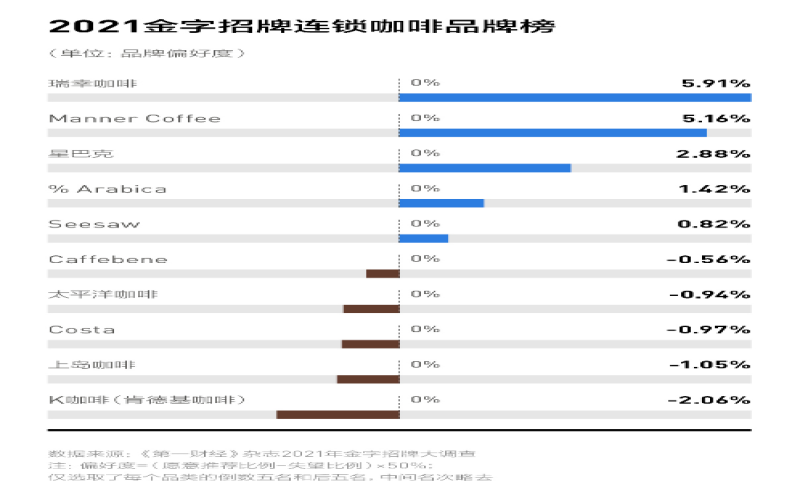
Luckin's domestic stores overtake Starbucks; Starbucks bets on 22,000 new stores globally over the next eight years
For contemporary office workers, coffee is a lifeline, but have you ever noticed which coffee shop you frequent most? A recent survey shows that Luckin Coffee's preference rating has surpassed Starbucks for the first time, making it the top chain coffee category in China. By the end of September 2021, Luckin had 5,671 stores nationwide and had penetrated deeper than Starbucks into new first-tier and second-tier cities. Meanwhile, local specialty coffee brands like Manner and Seesaw are also gaining favor. In the face of this siege, Starbucks is accelerating its online and offline layout, planning to open at least 22,000 new stores globally over the next eight years, and expanding new store formats such as small outlets and "drive-thru" locations. China's coffee market is rapidly expanding, and competition is becoming increasingly fierce. [more…]
Latte art always failing? A detailed explanation of the eight key points and operational details for incorporating milk and coffee
Many coffee enthusiasts encounter the same confusion when practicing latte art: the milk foam is steamed perfectly fine, and the crema on the espresso is in decent shape too, yet the moment they start pouring, everything falls apart. The problem often lies in a seemingly simple yet easily overlooked step—the integration of milk and coffee. Whether the integration is even not only directly determines whether the latte art pattern can come through smoothly, but also affects the layered mouthfeel of the entire latte. This article will break down the key operational points one by one—covering the criteria for judging even integration, the appropriate thickness of espresso crema, milk steaming and anti-separation handling, the direction and size of the swirling circles, pouring height and flow rate, and controlling the amount used in integration—to help you make a cup of latte with clear patterns and a smooth mouthfeel right at home. [more…]

A Practical Guide to Making Iced Pour-Over Coffee at Home: Ice-to-Hot-Water Ratios, Grind Size Adjustments, and Key Stirring Techniques
Iced pour-over is not simply pouring hot coffee over ice; rather, it is an extraction method in which ice rapidly cools and moderately dilutes the coffee liquid, also known as "flash-chilled pour-over." To make a cup that is both refreshingly cold and rich in aromatic layers, you need to readjust parameters such as coffee dose, water volume, ice amount, grind size, water temperature, and timing. This article focuses on ice usage and application, the coffee-to-ice-to-water ratio, grind size adjustments, and two operational approaches—small-stream分段 and the stirring method—to help coffee enthusiasts make a balanced iced pour-over at home. It also provides specific references based on Front Street Coffee's commonly used parameters. [more…]

Gu Ji Ana Sora Dorothy Coffee Beans: Enzymatic Washed Process and Peach Oolong Flavor Analysis
Ethiopia, as the birthplace of coffee, has nurtured many stunning regions and flavors. Among them, the Guji region, after gaining independence from Sidamo in 2010, rose rapidly with champion beans such as Huakui and Huaxu, becoming a focal point in the specialty coffee world. The "Dorothy" recently launched by Front Street Coffee comes from the Anasora Estate in the Guji region, using an enzyme-washed processing method, presenting rich notes of white peach, jasmine, and oolong tea. This article will provide an in-depth analysis of this coffee's regional background, estate story, processing techniques, and brewing parameters, offering a comprehensive understanding of this peach oolong-flavored coffee that overturns the traditional Ethiopian impression. [more…]